
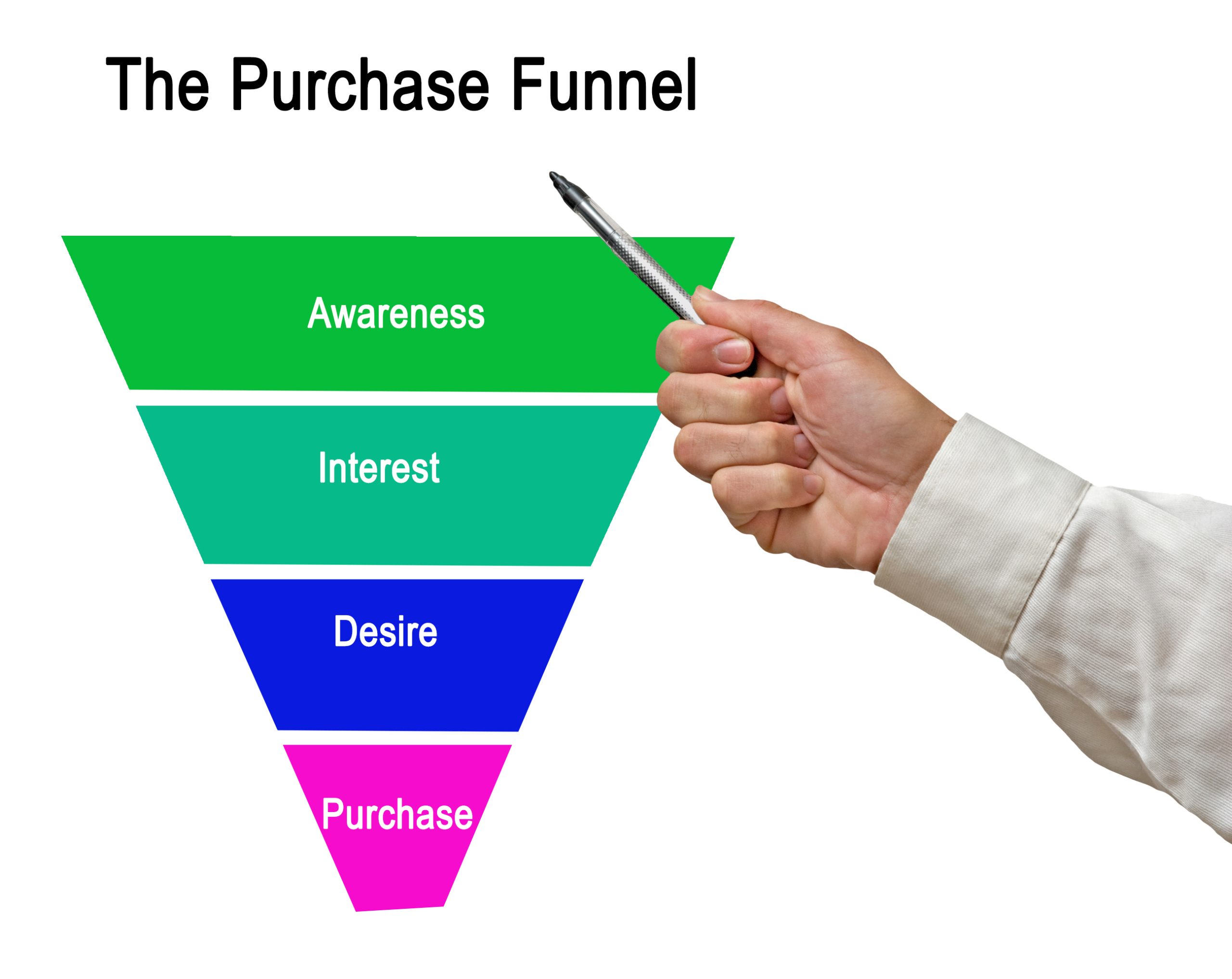
Sales funnels represent the customer journey from awareness to purchase. Understanding each stage helps growing businesses design more effective conversion paths.
The awareness stage introduces the problem and your brand. Prospects may not be ready to buy, but they recognize a need. Content and outreach should educate rather than sell aggressively.
The interest stage builds engagement. Prospects seek information and explore options. Educational resources, guides, and comparisons are effective here.
The consideration stage narrows choices. Prospects compare solutions and assess fit. Case studies, demos, and testimonials provide reassurance and credibility.
The decision stage focuses on conversion. Clear offers, pricing clarity, and risk reduction encourage commitment. Friction should be minimized.
Post-purchase is often overlooked. Onboarding, support, and follow-up strengthen retention and referrals. Growth depends on lifetime value, not just acquisition.
Each stage requires different messaging and metrics. Measuring the wrong indicators leads to poor decisions. Awareness focuses on reach, while conversion focuses on action.
Funnels should reflect buying behavior. Not all customers move linearly. Flexibility allows prospects to re-enter or skip stages.
Alignment between marketing and sales improves funnel performance. Shared understanding ensures consistent messaging and handoffs.
Sales funnels provide structure to growth. When stages are clearly defined and optimized, businesses gain visibility into performance and opportunities. Understanding the funnel transforms conversion from guesswork into a manageable system.